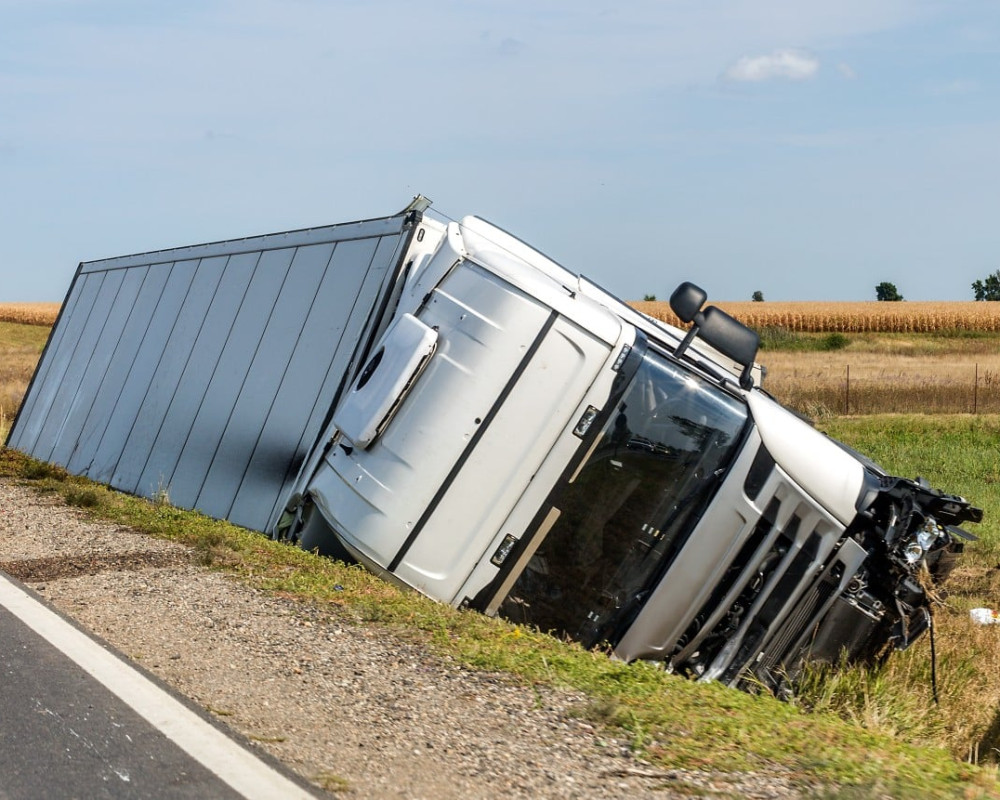
When people think about truck accidents, they often imagine busy interstates or congested city traffic. However, a large number of serious truck crashes occur on rural highways—long stretches of road far from urban centers. These accidents often result in more severe injuries and fatalities, not necessarily because of higher speeds alone, but because of what happens after the crash.
Understanding why rural truck accidents are especially dangerous helps explain patterns seen across Texas roadways. This context is often discussed when victims or families consult a Truck Accident Lawyer who understands how location affects accident outcomes.
Rural Roads Encourage Higher Speeds
Rural highways are designed for long-distance travel. With fewer intersections, lighter traffic, and long straightaways, drivers—both truckers and passenger vehicles—tend to travel at higher speeds.
Higher speeds lead to:
When trucks are involved, the size and weight difference magnifies these effects.
Limited Visibility Isn’t Just a Nighttime Problem
Rural roads often lack streetlights, reflective barriers, and consistent signage. Even during daylight, visibility can be compromised by:
These conditions can reduce reaction time for both truck drivers and nearby vehicles.
Emergency Response Takes Longer in Rural Areas
One of the most critical differences between rural and urban truck accidents is response time. In remote areas, emergency services may be located miles away.
Delays can occur due to:
Even a delay of a few minutes can significantly affect injury outcomes.
Extrication Is More Difficult After Truck Crashes
Truck accidents often involve severe vehicle damage that traps occupants. In rural areas, specialized rescue equipment may not be immediately available.
Challenges include:
Extended extrication increases the risk of complications from blood loss, internal injuries, or spinal trauma.
Fewer Witnesses, Less Immediate Help
Urban crashes often have dozens of nearby drivers or pedestrians who can assist, call for help, or provide first aid. Rural crashes may occur with no witnesses at all.
This can result in:
In some cases, accidents go unnoticed for extended periods.
Trucking Routes Often Favor Rural Highways
Many commercial routes intentionally avoid cities to reduce congestion and fuel costs. As a result, rural highways see a high volume of long-haul truck traffic.
These routes may involve:
Each factor increases accident risk in isolated areas.
Why Rural Truck Accidents Are Often More Complex
Rural truck accidents combine multiple risk factors at once: speed, isolation, delayed response, and severe impact. Investigating these crashes requires understanding not just what happened, but where it happened.
When someone consults a Truck Accident Lawyer, location often becomes central to understanding:
Rural context matters more than many people realize.
Why Awareness of Rural Risk Is Important
Drivers often feel more relaxed on open roads, but rural highways demand a different level of caution—especially around commercial trucks. Fewer safety buffers exist, and help is farther away.
Understanding rural risk helps explain why these accidents are disproportionately severe and why prevention and investigation require a broader view than urban crashes.
Conclusion
Truck accidents on rural highways are not simply “less crowded” versions of city crashes. They involve higher speeds, fewer safety features, delayed emergency response, and greater isolation. These factors combine to create some of the most dangerous conditions on the road.
Recognizing the unique risks of rural truck accidents provides important insight into why outcomes are often more severe—and why these cases require careful, location-specific evaluation beyond the moment of impact.