Cairo / PNN / Monjed Jadou Wrote for Al-Ahram Weekly
After months of fragile calm and years of devastating conflict, Gaza is preparing for what diplomats are calling the “second phase” of the ceasefire agreement between Hamas and Israel, brokered under United Nations and international supervision.
The new phase is expected to tackle highly sensitive issues, including the disarmament of Hamas, the deployment of an international or semi-international security force, and the large-scale reconstruction of the war-torn enclave. But political divisions, logistical obstacles, and continuing security concerns raise doubts about whether the transition can succeed.
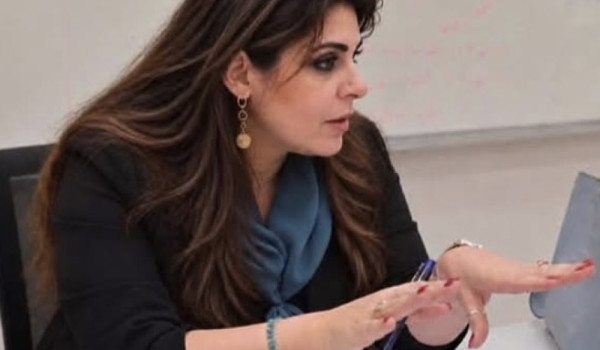
According to Gaza-based political analyst Mohamed Diab, Israeli delays and repeated ceasefire violations have hindered progress on the first phase, while disputes over the return of the hostages remain a pretext for inaction.
“Washington’s ambiguous stance on the second phase, particularly regarding governance and disarmament, has made international consensus difficult,” Diab said, noting that the US has struggled to secure agreement on a resolution to establish an international force for Gaza.
At the heart of the upcoming phase lies a contentious question: who will maintain security in Gaza? Proposals include creating an International Stabilisation Force (ISF) under UN supervision to protect civilians, support aid delivery, and help rebuild local policing.
Israel insists on maintaining broad control to prevent Hamas or other factions from rearming, while both Hamas and the Palestinian Authority (PA) argue that any foreign force should have only a monitoring role, with ultimate authority remaining Palestinian – a condition they see as vital for public legitimacy.
Key details, including the size of the proposed force, its areas of operation, and coordination with Palestinian institutions, remain unresolved, delaying reconstruction and the safe return of displaced residents.
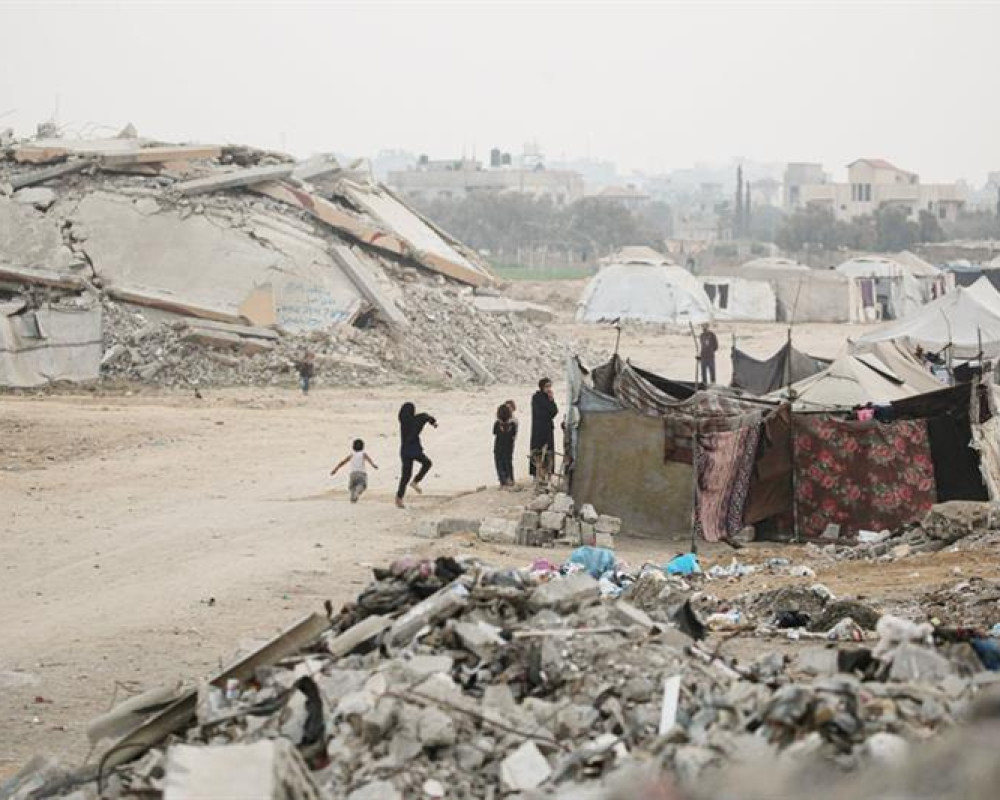
Rebuilding Gaza’s shattered infrastructure is seen as the cornerstone of the ceasefire’s success. Independent assessments show that most of the enclave’s water, power, housing, and educational infrastructure has been severely damaged or destroyed.
Diab said that Egypt is preparing to host a reconstruction conference later this month to mobilise international support. Yet, he added, tangible progress will depend on political and security clarity.
“The entry of equipment, removal of debris, and restoration of basic services all hinge on finalising who will oversee reconstruction – whether the Palestinian Authority, an international committee, or a joint supervisory body,” Diab said.
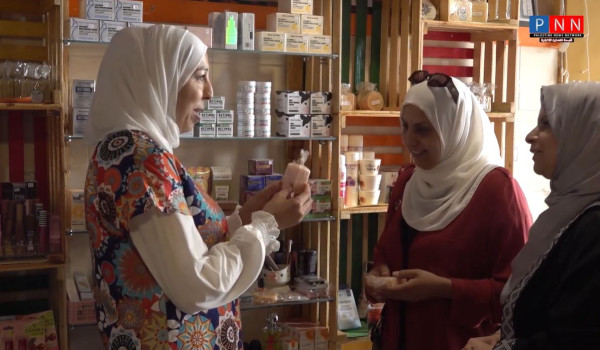
Grassroots initiatives, especially those led by women, are expected to play an important role in local reconstruction and home gardening projects, providing a vital human-interest dimension to the rebuilding effort.
Despite the declared truce, sporadic military actions, Israeli security restrictions, and intermittent fire from Palestinian factions have disrupted stability, threatening to derail the transition.
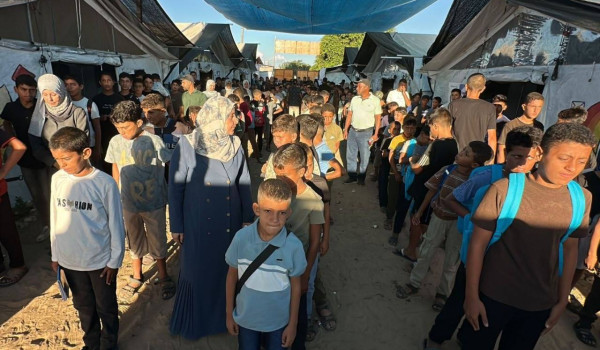
Humanitarian conditions remain dire. Shortages of food, water, and electricity persist, and prices continue to rise. Aid deliveries have increased since the first phase began, but bottlenecks at crossings and restrictions on logistics have limited distribution.
Humanitarian groups warn that Israel’s control of aid channels through a single crossing and centralised logistics hubs could restrict equitable access. They stress that the successful implementation of the second phase will depend not only on aid inflows but also on transparent distribution and clearance of unexploded ordnance.
Palestinian civil-society organisations have become essential in monitoring aid, ensuring transparency, and providing psychosocial support for women and children. These groups also conduct small-scale reconstruction projects and document conditions in camps and affected areas, producing vital field data for international partners.
“Civil society is the bridge between communities and the international framework,” one NGO coordinator said. “It ensures that reconstruction is accountable and that Palestinian voices are part of the process.”
Yet, as the second phase approaches, several other critical questions remain unanswered. How will the disarmament be enforced? What mechanisms will ensure transparency in reconstruction funding? And how will displaced families be reintegrated amid continued security tensions?
Without clarity, analysts warn, Gaza risks sliding back into instability.
But the beginning of the second phase could mark a historic moment for Gaza and a chance to rebuild, stabilise, and restore dignity to its people. But progress depends on sustained calm, coordinated reconstruction, and credible Palestinian participation.
Delays or breaches in security, funding, or implementation could easily reverse fragile gains. For now, Gaza stands at a crossroads – between the promise of recovery and the risk of relapse into prolonged suffering.