GAZA / PNN /
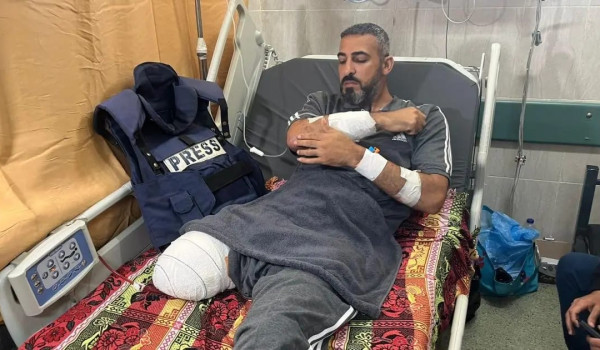
Medical sources reported that 44 Palestinians were killed by Israeli army gunfire and bombardment in various areas of the Gaza Strip since dawn today.
Four of the victims were brought to Al-Shifa Hospital, 23 to Al-Awda Hospital, 12 to Al-Aqsa Hospital, and five to Nasser Hospital.
Israeli fighter jets launched a series of heavy air raids on Rafah and Jabalia, in southern and northern Gaza, respectively, allegedly in response to what Israel called a “breach” of the cease-fire agreement. The strikes resulted in additional civilian deaths and injuries, local sources reported.
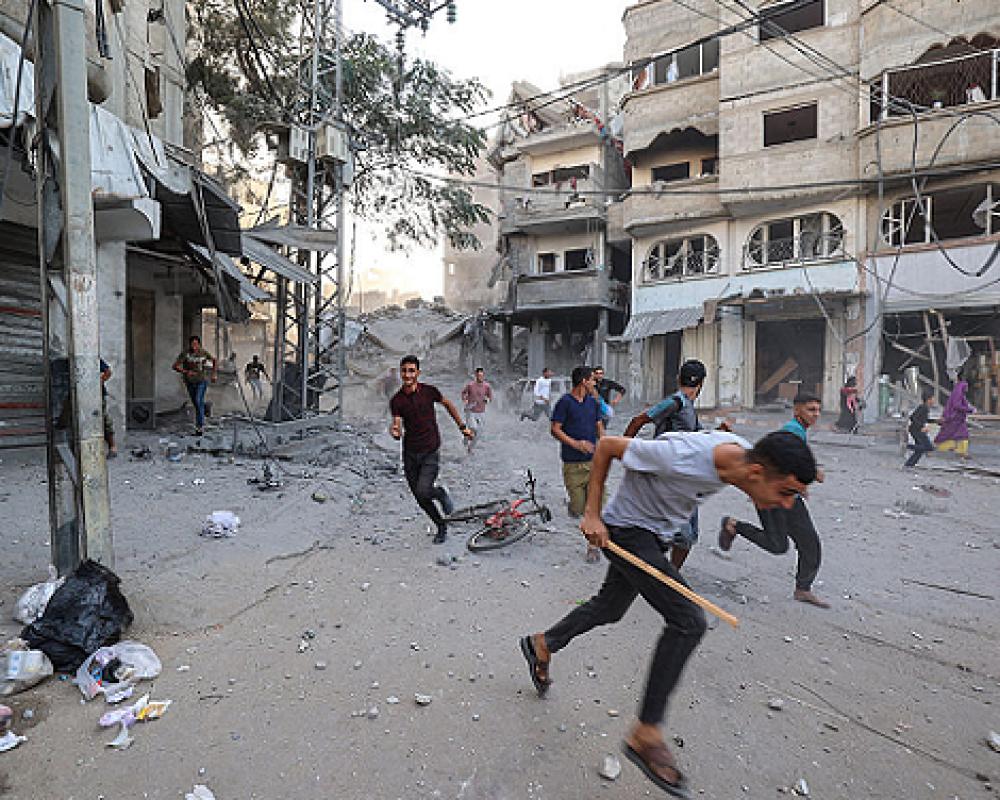
The bombardment coincided with intense drone and jet activity over central and southern Gaza, while Israeli media outlets said the airstrikes followed clashes between Israeli forces and gunmen in Rafah.
Israel’s Channel 14 reported that the Israeli Air Force targeted 83 sites in Gaza with around 120 airstrikes, including drone assassinations in central and northern parts of the territory.
The escalation comes on the tenth day of the current cease-fire, more than two years after the last major war in Gaza. Israel accused Hamas of violating the truce by targeting military vehicles, while the group insisted it remained fully committed to the agreement and accused Israel of fabricating pretexts to justify ongoing attacks.
Tensions remain high across the Strip amid fears of a total collapse of the fragile truce and a renewed outbreak of hostilities.
Israeli Prime Minister Benjamin Netanyahu said the Rafah border crossing would remain closed until the bodies of all Israeli captives are recovered. He also reiterated that the second phase of the truce — involving Hamas’s disarmament — is a precondition for ending the war.
Hamas denounced Netanyahu’s remarks as a “blatant violation of the agreement” and an “attempt to evade commitments made to mediators and guarantors.” The group held the Israeli government responsible for the escalation and continued blockade of the Gaza Strip.
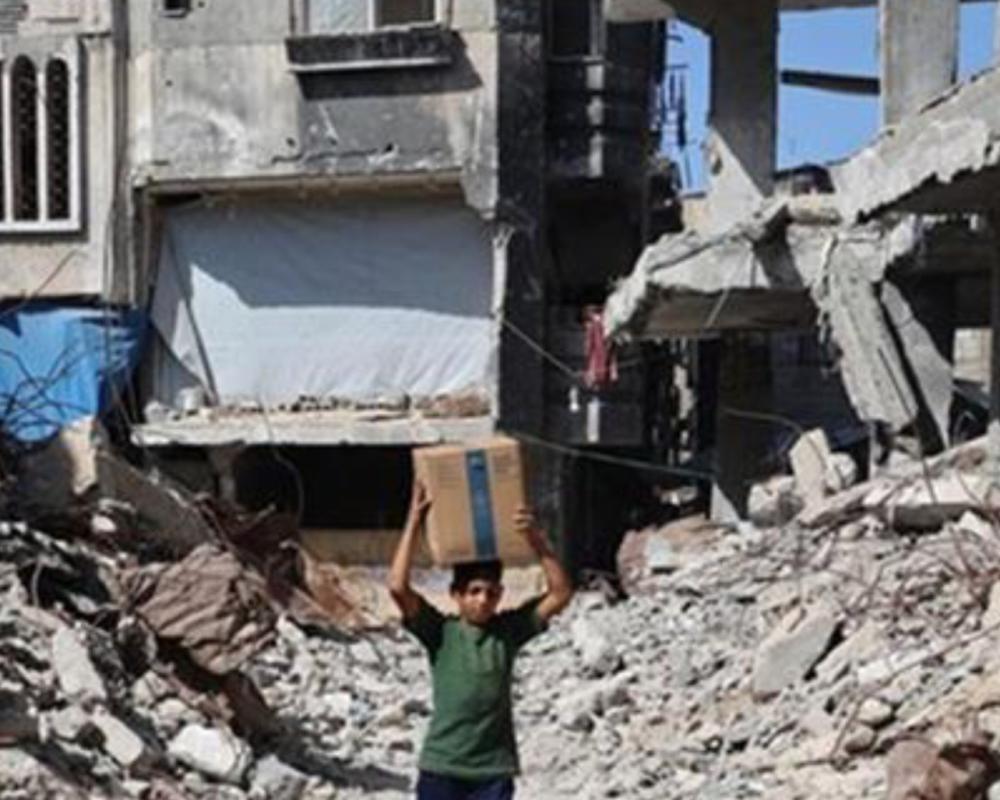
On the humanitarian front, local NGOs warned of a deepening medical and living crisis, noting that around 22,000 wounded Palestinians and 10,000 cancer patients are in urgent need of treatment abroad. They cautioned that the continued closure of crossings and restrictions on aid entry risk a total collapse of Gaza’s healthcare system, though reports suggested Rafah Crossing could reopen in the coming days, with no specific date confirmed.