Beit Jala / PNN /
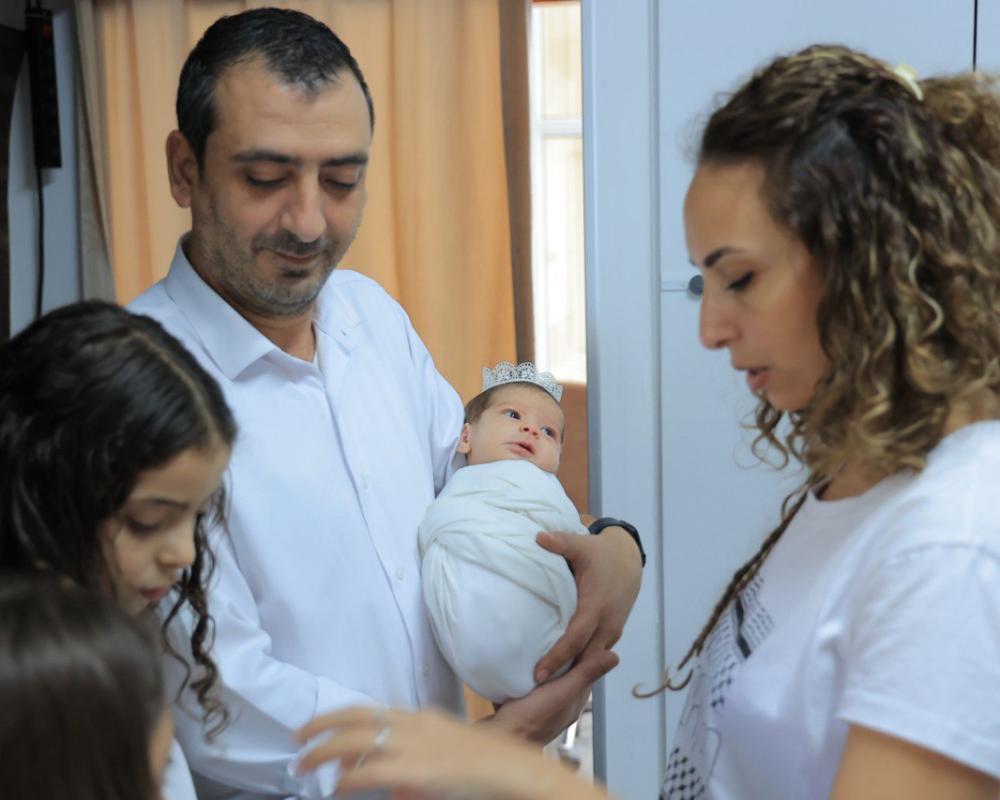
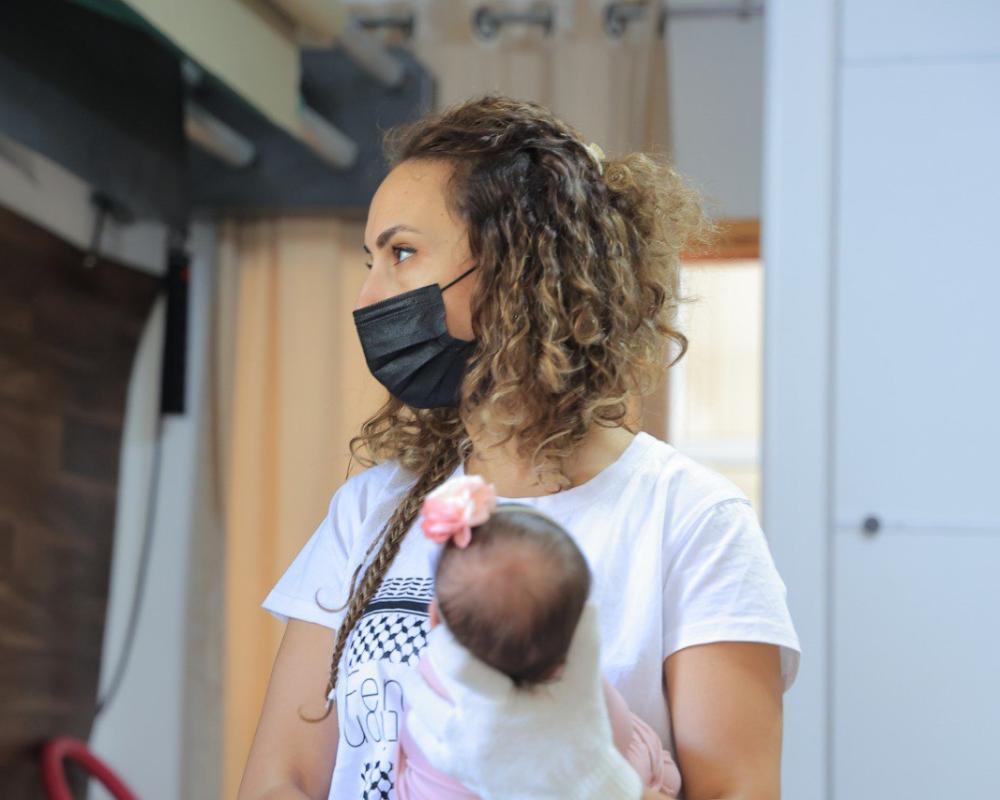
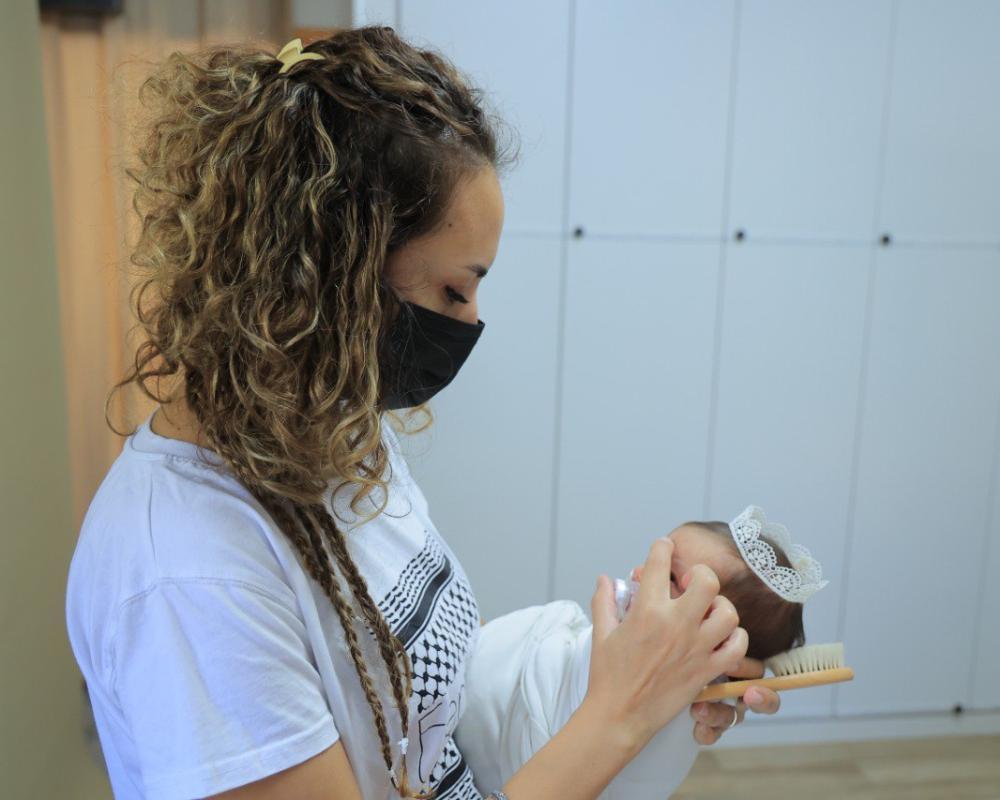
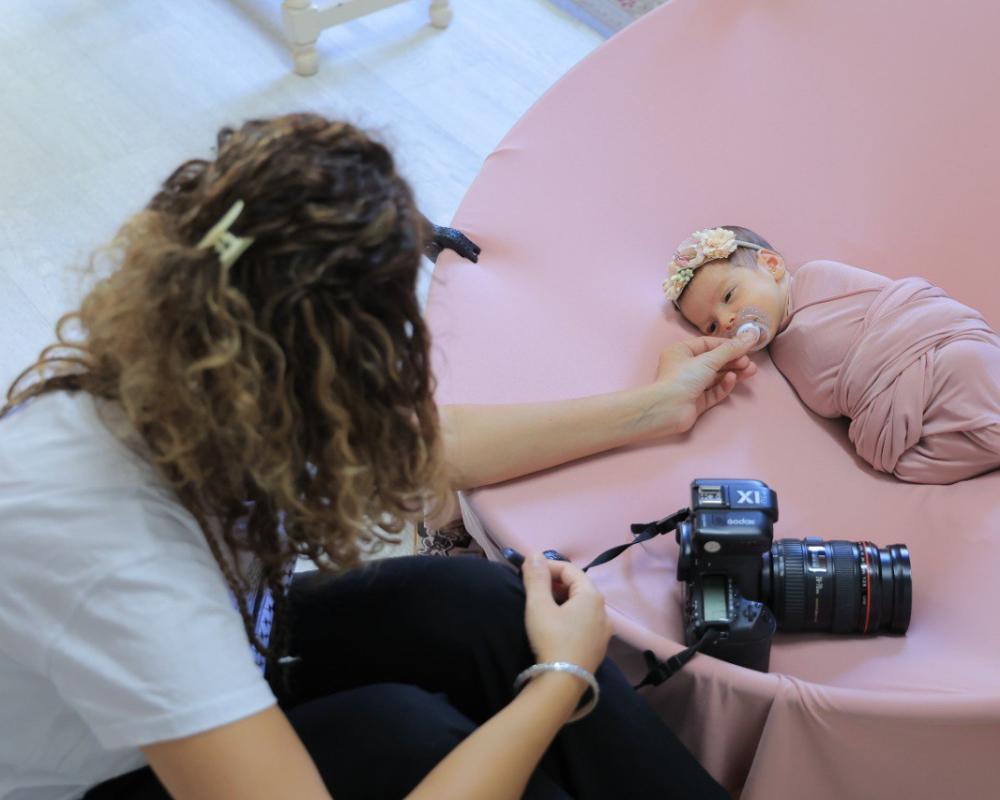
In a studio filled with cameras, lights, tiny outfits, and newborns swaddled for their first portraits, Palestinian photographer Sabrina Mukarker has created a space that documents early childhood with what she describes as “a Palestinian touch.” Her work blends decades-old family roots in photography with hopes for the future of Palestinian children.
Mukarker launched her newborn photography studio with a unique concept, the first of its kind in the West Bank.
The idea was inspired by her grandfather, a fourth-generation Palestinian photographer in Jerusalem. After graduating in business administration from Bethlehem University and exploring different areas of photography, she decided to specialize.
“I wanted to be the first photographer dedicated to newborns and to open the first studio in Palestine specializing in them,” she said.
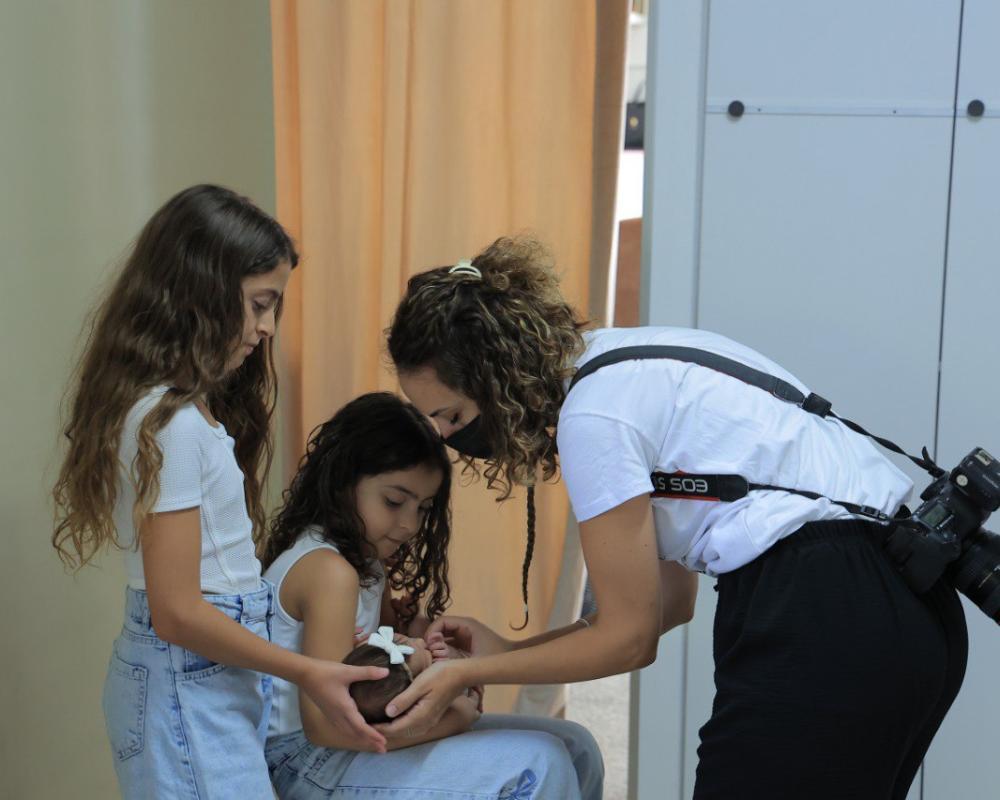
Her grandfather, one of the earliest photographers in Jerusalem, passed down the craft. Coupled with her studies in entrepreneurship, she recognized a market gap. Preparing to become a mother, she searched for a studio like those she saw online but found none. That gap became her opportunity.
Mukarker recalls beginning her studio without any capital. “At first, I thought the biggest challenge was money, but then I realized I also needed a space, equipment and props—and I had no expertise,” she said.
Despite the obstacles, she launched her work, often paying more than she earned, just to build her reputation and attract clients. With time, she reinvested her earnings into the studio.
Through both her experience as a photographer and as a mother, she learned the techniques for photographing newborns safely—how to pose them, wrap them, and keep them secure.
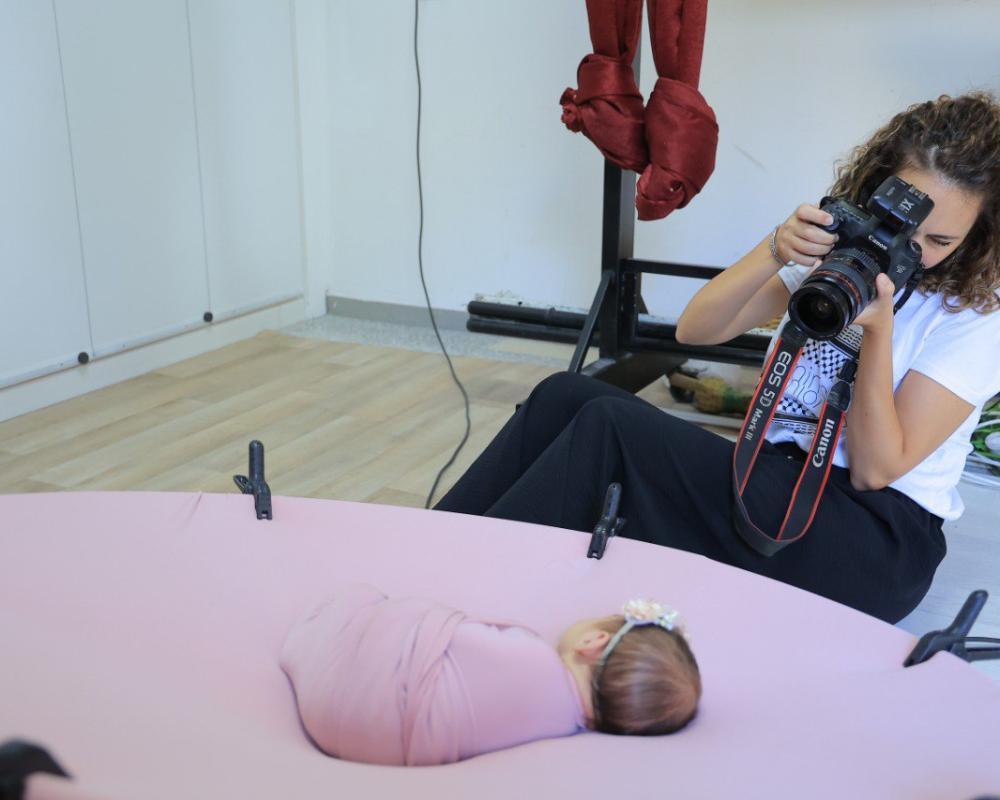
Years later, she says, her studio has become a destination for families from Jerusalem, Bethlehem and Hebron.
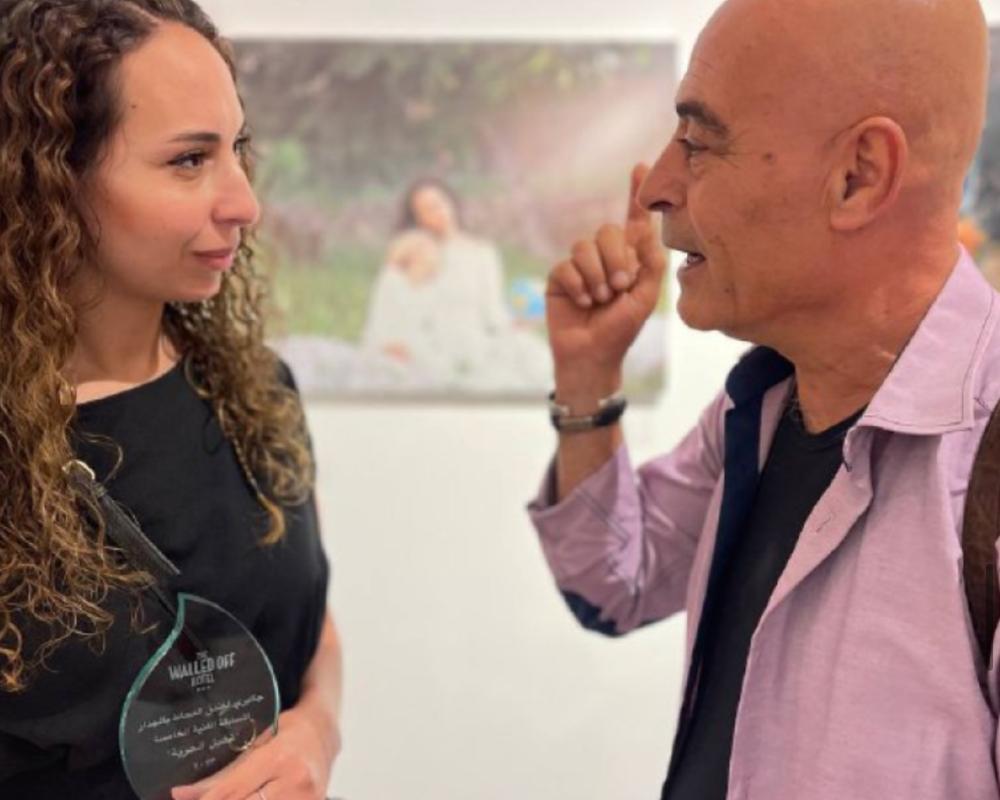
Mukarker’s passion has extended beyond newborns to capturing Palestinian cities and daily life. She has won awards in local photography competitions, including for her photo The Free Spirit in the “Imagine Freedom” contest organized by the Walled Off Hotel. The picture, inspired by the struggle of the late Palestinian activist Khader Adnan, depicted resilience in the face of imprisonment and hunger strikes.
Alongside her photography, Mukarker launched Buqaj, a business producing handmade embroidered bags inspired by Palestinian heritage. The name comes from Buqja, a traditional Palestinian cloth bundle historically used by brides to carry belongings to their new home or by women bringing food to men working in the fields. Mukarker said the goal of the project is to keep it authentically Palestinian, reviving traditional culture through symbolic heritage items that can be used practically today—a gift from Palestine to the world.
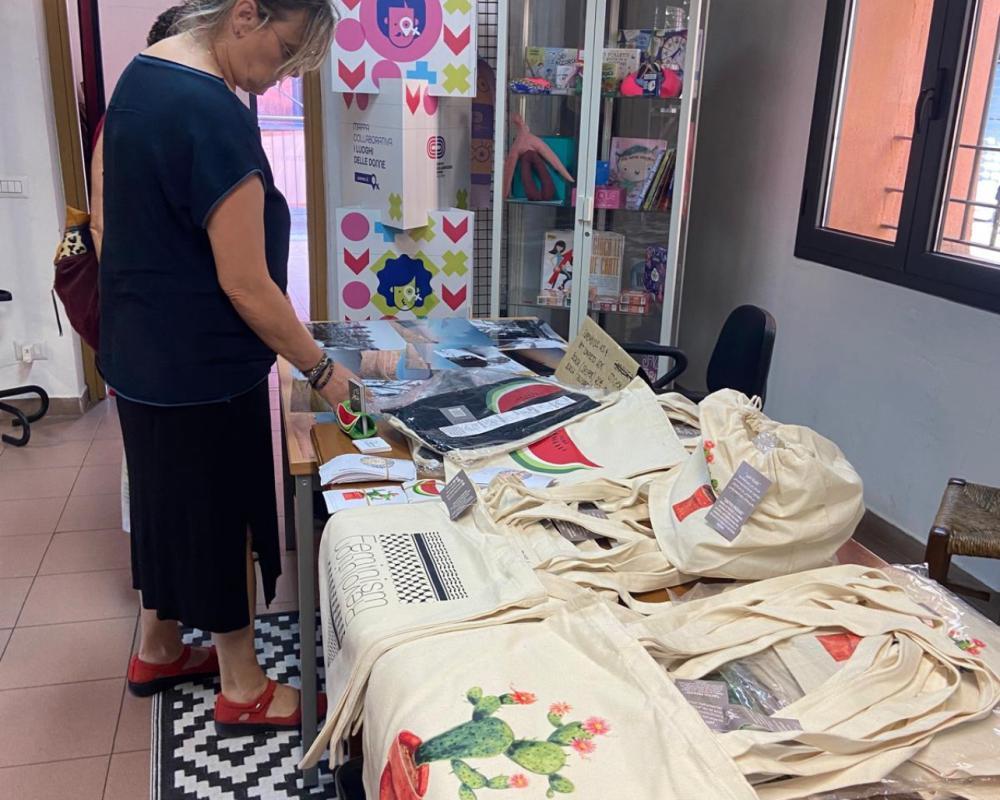
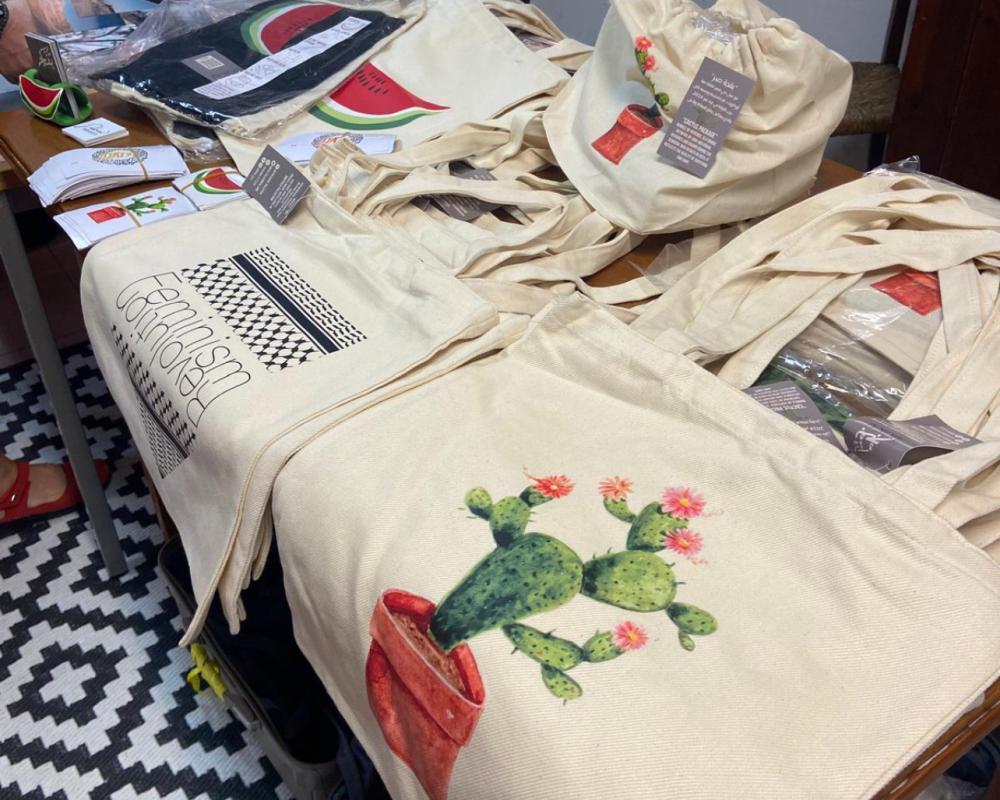
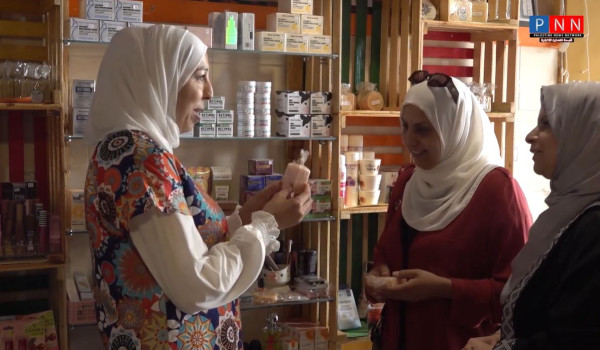
Mukarker emphasized that Buqaj has become an opportunity for many women who embroider traditional designs on the products. The project also collaborates with sewing workshops and fabric producers, opening economic opportunities for Palestinian women.
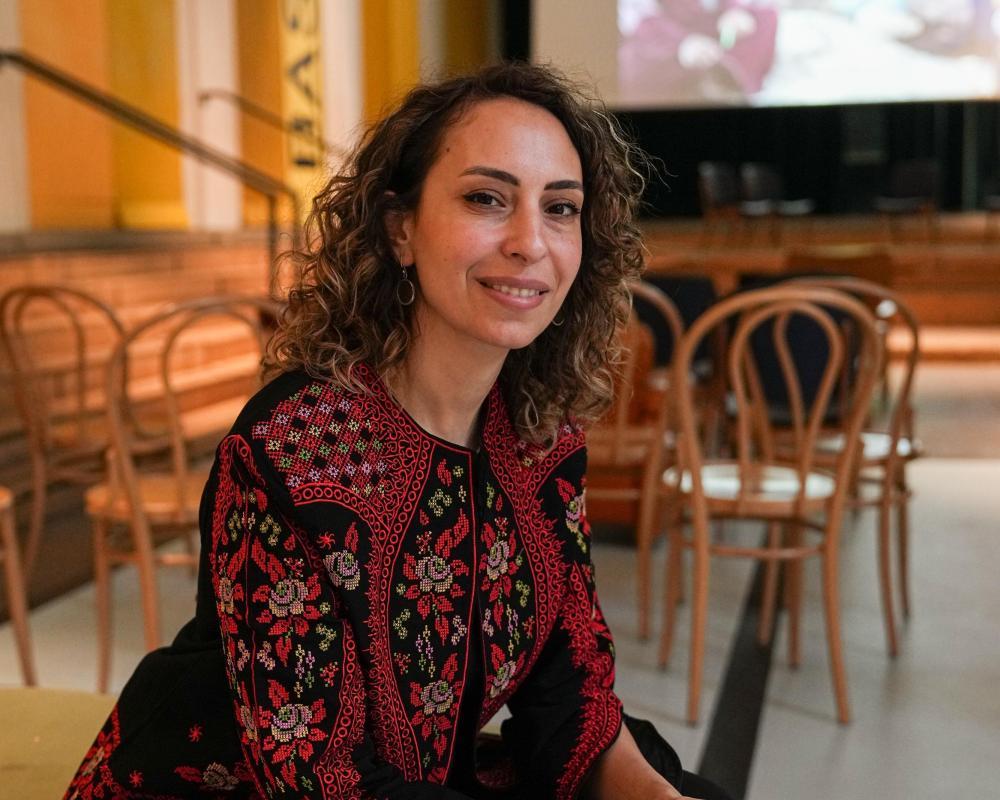
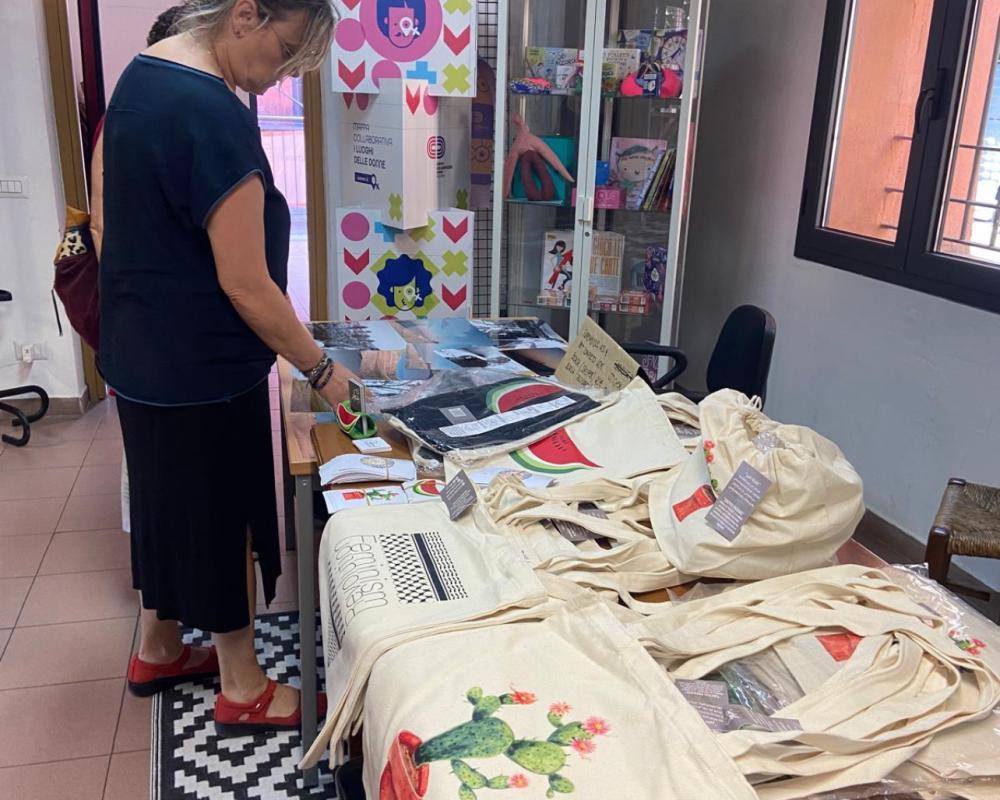
Mukarker’s efforts extend beyond Palestine. Through friends in Europe, she has promoted Buqaj in several cities, holding exhibitions and lectures that highlight her work as a photographer, entrepreneur, and active Palestinian woman. A recent tour in Italy, she said, was met with strong interest.
She believes Buqaj will achieve greater success as it reaches international markets, where people recognize Palestinian designs as reflecting Palestinian life, struggles, and creativity—especially the challenges faced by Palestinian women.
Mukarker concludes with a message for Palestinian women: “Creativity and determination are essential. Be pioneers, and create better conditions for yourselves and your families.”
This story was produced as part of the Qareeb program, implemented by CFI – the French media development agency – with funding from the French Development Agency (AFD).